
Contact Us
- Phone:+86 17702828378
- WeChat:+86 17702828378
- WA:+86 17702828378
- Mail:sales@yusntech.com
- Address:Room 3, Floor 1, Building 13, No. 69, East Section of Hangkong Road, Dongsheng Subdistrict, Shuangliu District, Chengdu City, Sichuan Province.
Attenuators
Home » Attenuators
FAQ
An RF attenuator is a passive microwave component designed to reduce signal power without significantly affecting signal quality. RF attenuators are widely used in communication systems, satellite networks, radar platforms, test equipment, wireless infrastructure, aerospace, defense, and laboratory applications to control signal levels, protect sensitive devices, improve impedance matching, and optimize overall system performance.
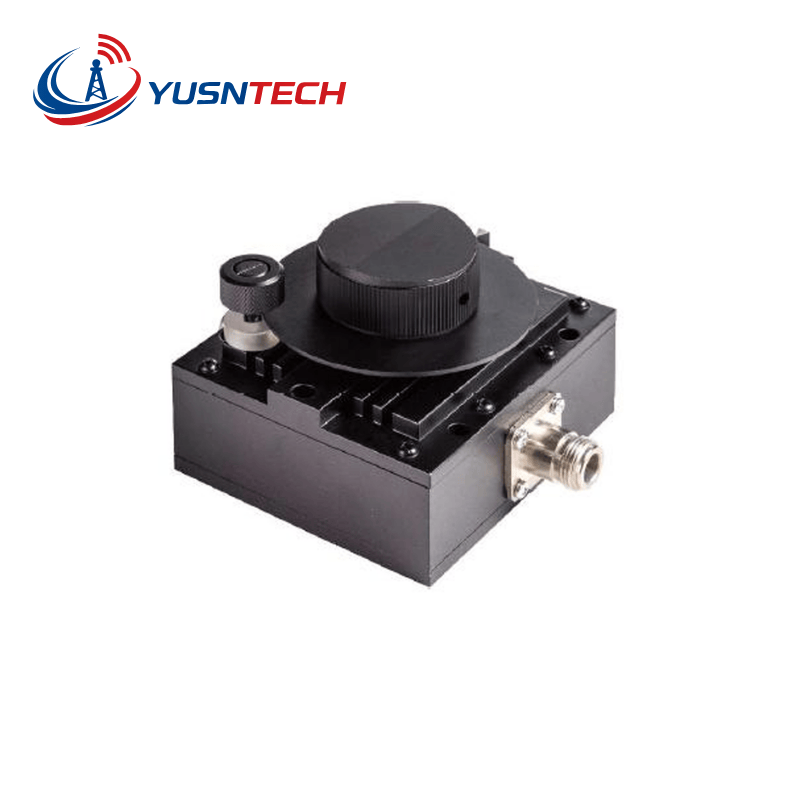
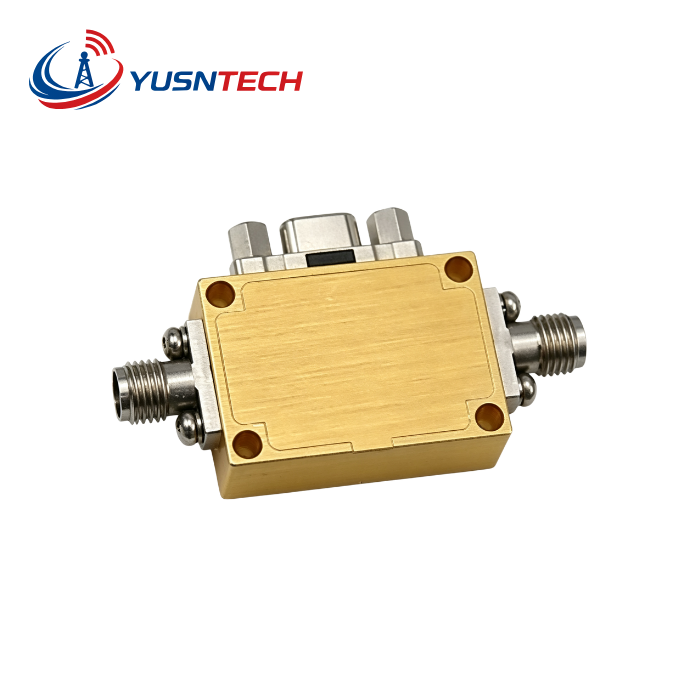
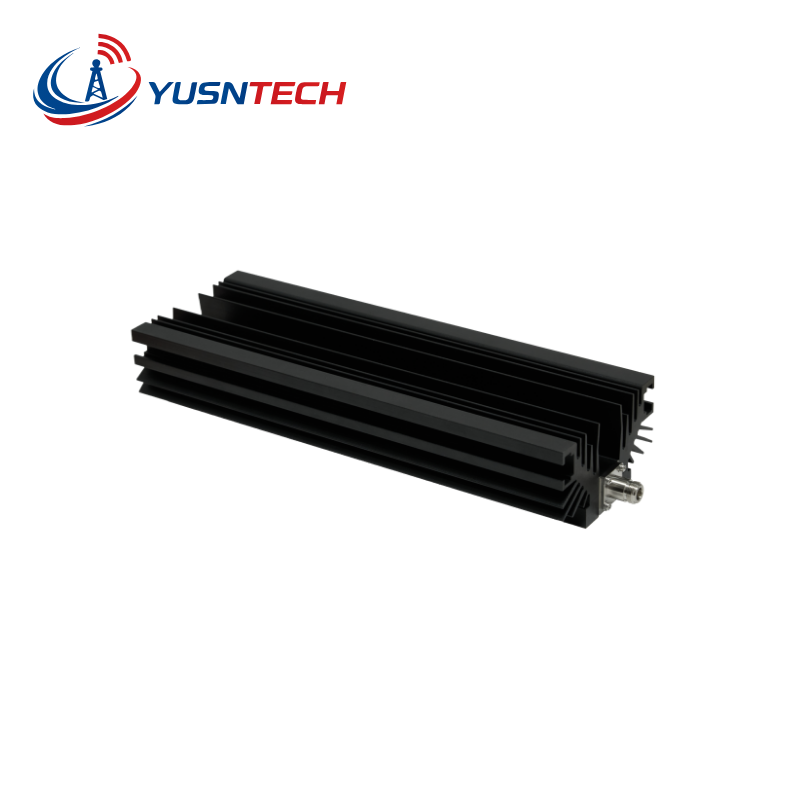
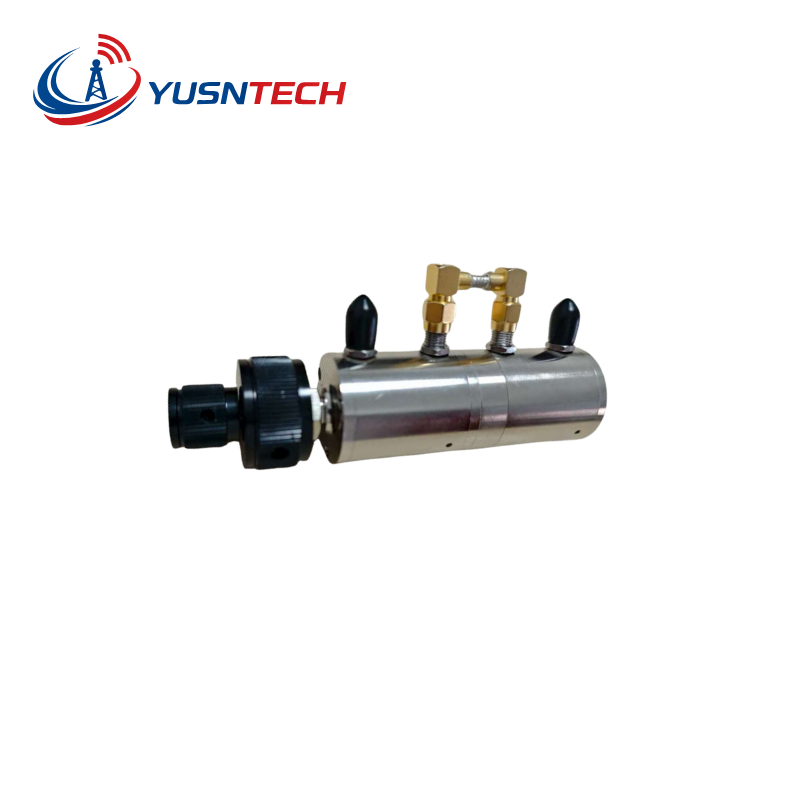
RF attenuators are available in several configurations, including fixed attenuators, continuously variable attenuators, rotary step attenuators, programmable attenuators, surface mount attenuators, waveguide attenuators, coaxial attenuators, and high-power attenuators. Each type is designed to meet specific requirements for attenuation control, frequency range, power handling, and system integration.
A fixed attenuator provides a constant attenuation value, such as 3 dB, 6 dB, or 20 dB, while a variable attenuator allows users to adjust attenuation levels according to application needs. Fixed attenuators are commonly used for permanent signal reduction, whereas variable attenuators are preferred for RF testing, calibration, signal optimization, and laboratory measurements.
Rotary step attenuators provide attenuation in precise incremental steps, such as 1 dB or 10 dB, making them ideal for repeatable testing and calibration procedures. Continuously variable attenuators offer smooth, stepless attenuation adjustment, allowing fine control of RF signal levels in real-time applications and research environments.
Selecting the appropriate RF attenuator depends on frequency range, attenuation value, power handling capability, VSWR performance, insertion loss, connector type, operating environment, and application requirements. Understanding these parameters helps ensure reliable system performance and accurate signal management.
RF attenuators are available from DC frequencies through millimeter-wave bands. Common frequency ranges include DC–3 GHz, DC–6 GHz, DC–18 GHz, DC–40 GHz, and higher-frequency waveguide solutions for microwave and millimeter-wave applications used in satellite communications, radar systems, and advanced wireless technologies.
Standard RF attenuators are available in attenuation values ranging from 1 dB to 60 dB or more. Fixed attenuators typically offer standard attenuation levels, while step and variable attenuators provide adjustable attenuation ranges for greater flexibility in system testing and signal control applications.
Low VSWR indicates good impedance matching between system components, reducing signal reflections and improving measurement accuracy. High-performance RF attenuators with low VSWR help maintain signal integrity and support reliable operation in communication, radar, satellite, and test systems.
Insertion loss refers to the additional signal loss introduced by the attenuator beyond its specified attenuation value. Lower insertion loss contributes to improved system efficiency and measurement accuracy, making it an important parameter when selecting microwave attenuators for precision applications.
Yes. High-power RF attenuators are specifically designed to dissipate significant amounts of RF energy while maintaining stable electrical performance. These attenuators are commonly used in RF power amplifier testing, transmitter systems, radar installations, satellite ground stations, and broadcast communication networks.
RF attenuators are widely used across telecommunications, satellite communications, aerospace, defense, radar, electronic warfare, semiconductor testing, wireless infrastructure, research laboratories, universities, industrial automation, and RF equipment manufacturing sectors.
Many RF attenuator manufacturers offer customized solutions based on specific frequency ranges, attenuation values, power levels, connector interfaces, mechanical dimensions, and environmental requirements. Custom attenuators are frequently used in military, aerospace, satellite, and specialized commercial applications.
RF attenuators are available with a variety of connector options, including SMA, N-Type, 2.92 mm, 2.4 mm, 1.85 mm, TNC, BNC, and waveguide interfaces. Connector selection depends on operating frequency, power requirements, and system compatibility.
Yes. RF attenuators help prevent receiver overload, protect sensitive measurement instruments, reduce signal distortion, improve impedance matching, and enhance overall RF system stability. Proper attenuation management contributes to more reliable and repeatable system operation.
A programmable RF attenuator is an electronically controlled attenuator that allows users to remotely adjust attenuation levels through software, digital interfaces, or automated test systems. Programmable attenuators are commonly used in automated RF testing, wireless device validation, and advanced communication system development.
Waveguide attenuators are designed for microwave and millimeter-wave frequency bands where coaxial solutions become less practical. They are widely used in radar systems, satellite communications, electronic warfare, aerospace platforms, and high-frequency laboratory applications.
Surface mount attenuators are compact chip-level components designed for PCB integration and high-volume production, while coaxial attenuators are packaged devices with RF connectors intended for test equipment, communication systems, and external signal path applications.
Yes. RF and microwave attenuators play a critical role in satellite communication networks by controlling signal levels, protecting receivers, optimizing link performance, supporting calibration procedures, and enabling accurate system testing.
Pricing depends on frequency range, attenuation value, power rating, connector type, performance specifications, manufacturing complexity, quantity, and customization requirements. High-frequency, high-power, and precision attenuators typically require more advanced designs and manufacturing processes.
YUSNTECH offers a comprehensive portfolio of RF and microwave attenuators, including fixed attenuators, continuously variable attenuators, rotary step attenuators, and future programmable and waveguide attenuation solutions. With flexible customization capabilities, reliable quality control, competitive pricing, and responsive engineering support, YUSNTECH helps customers achieve accurate signal control across communication, satellite, aerospace, defense, and test system applications.